
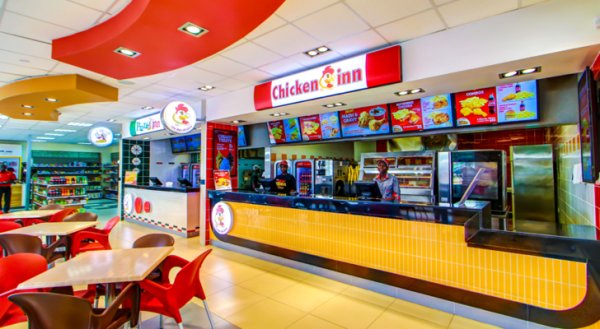
When it comes to fast food in Kenya, Chicken Inn holds a special kind of loyalty. It’s not just about crispy chicken—it’s about familiarity, affordability, and a strong sense of cultural relevance that has turned a regional fast food chain into a household name.
But how exactly has Chicken Inn captured and sustained such a deep emotional connection with Kenyan consumers?
🔍 The Brand Promise: Fast, Familiar, and Filling
Chicken Inn, under the Simbisa Brands portfolio (also home to Pizza Inn and Creamy Inn), has made its mark by delivering value for money. For many Kenyans, it’s the go-to spot for an affordable but satisfying meal—especially during end-month splurges or after-church family outings.
Their promise is simple but powerful: consistent taste, fair pricing, and fast service.
Even as other brands experiment with gourmet menus or premium positioning, Chicken Inn has doubled down on serving the masses. And it’s working.
📍 Location Strategy: Stay Where the Hustle Is
Chicken Inn’s outlet placement is tactical. From high-traffic matatu stages to petrol station partnerships, the brand is present in places where Kenyans move, work, and live.
Whether in Nairobi’s CBD, Thika Road, or smaller towns like Embu and Kitale, the brand maintains accessibility without over-expansion. Their combo with Pizza Inn and Creamy Inn also enables shared overheads and cross-sell synergy in one location.
💬 Cultural Relevance: “Street Smart” Branding
From the “2-piecer” to the popular “Streetwise” combos, Chicken Inn has localized its menu and language. This cultural adaptation is not accidental—it reflects a keen understanding of urban Kenyan culture and price sensitivity.
Add to that campaigns like “Kwa Ground” (targeting everyday realness) and offers that drop in sync with paydays or school holidays, and you get a brand that understands timing, culture, and mood.
🛎️ Customer Experience: Quick but Impersonal?
If there’s one area the brand still has room to grow, it’s in customer experience personalization.
Speed and affordability often come at the expense of deeper engagement. Staff tend to focus on volume and efficiency—but this sometimes creates a transactional, rather than relational, service model.
For now, that seems to work for its mass market. But as consumer expectations shift, digital loyalty, feedback loops, and surprise moments could give Chicken Inn an edge.
💡 Lessons for Other Brands
Chicken Inn’s success offers a few key lessons for marketers:
- Local trumps fancy. Simplicity, cultural fit, and familiarity matter more than flashy innovation.
- Channel synergy wins. The co-location strategy (Pizza Inn + Chicken Inn + Creamy Inn) is cost-effective and cross-selling gold.
- Consistency beats complexity. A consistent taste and offer structure helps build loyalty—even when marketing campaigns are quiet.
🔚 Final Take
Chicken Inn doesn’t try to be what it’s not. And that’s its real strength. It plays its game exceptionally well—targeting the urban Kenyan who wants good food fast, no frills, no fuss.
The brand has built something beyond chicken: it’s created a dependable, culture-savvy eating experience that feels familiar and safe.
As fast food competition heats up in Kenya, the big question is—will Chicken Inn evolve while staying grounded, or will competitors catch up on price and personalization?

Hi, this is a comment.
To get started with moderating, editing, and deleting comments, please visit the Comments screen in the dashboard.
Commenter avatars come from Gravatar.